
Enjoy 30% off* your first order using discount code: firstsh

Tirzepatide Weight Loss: Everything You Need to Know

Tirzepatide Weight Loss: Everything You Need to Know

What Is Tirzepatide?

Tirzepatide is a groundbreaking weight loss medication that targets two key hormones simultaneously: GLP-1 (glucagon-like peptide-1) and GIP (glucose-dependent insulinotropic polypeptide). This dual-action mechanism makes it one of the most powerful prescription treatments for weight loss currently available. At Metabolic Slim Clinic, our doctors work with eligible patients to determine if tirzepatide could be the right choice for their weight management journey. In the UK, tirzepatide for weight loss is available under the brand name Mounjaro.

How Tirzepatide Works for Weight Loss

Unlike semaglutide, which activates only GLP-1 receptors, tirzepatide activates both GLP-1 and GIP receptors. This dual receptor agonism has a synergistic effect on appetite suppression, insulin sensitivity, and fat burning. In simple terms, tirzepatide tells your brain you are full sooner, keeps food in your stomach longer, and helps your body use energy more efficiently.

The result? Patients tend to eat considerably less without feeling deprived, and their metabolism shifts in a way that promotes sustained fat loss.

Clinical Trial Results: The SURMOUNT Programme

The SURMOUNT clinical trial programme has produced remarkable results that have excited the medical community. In SURMOUNT-1, participants taking the highest dose of tirzepatide (15 mg) lost an average of 20.9% of their body weight over 72 weeks. Nearly half of all participants achieved weight loss of 20% or more.

To put this in perspective, someone weighing 100 kg could expect to lose approximately 20 kg — a level of weight loss that previously required bariatric surgery. Tirzepatide represents a true paradigm shift in how we think about non-surgical weight management.

Tirzepatide vs Semaglutide: Which Is Better?

Head-to-head comparisons between tirzepatide and semaglutide consistently show that tirzepatide produces greater weight loss on average. The SURMOUNT-5 trial directly compared the two medications and found that tirzepatide led to approximately 47% more weight loss than semaglutide.

However, the “best” medication depends on the individual. Factors such as your health history, other medications, cost, and how your body responds to treatment all play a role. Our doctors will help you weigh up these factors during your consultation.

Dosing and Administration

Tirzepatide is given as a once-weekly subcutaneous injection. The starting dose is 2.5 mg per week, with gradual increases every four weeks as tolerated:

  • Weeks 1–4: 2.5 mg weekly
  • Weeks 5–8: 5 mg weekly
  • Weeks 9–12: 7.5 mg weekly
  • Weeks 13–16: 10 mg weekly
  • Weeks 17–20: 12.5 mg weekly
  • Week 21 onwards: 15 mg weekly (maximum dose)

Not all patients need to reach the maximum dose. Our clinical team monitors your progress and adjusts your dose based on your individual response and tolerability.

Who Qualifies for Tirzepatide?

Tirzepatide for weight management is typically prescribed to adults with a BMI of 30 or higher, or a BMI of 27 or higher with weight-related conditions such as type 2 diabetes, hypertension, or dyslipidaemia. A full medical assessment is required before starting treatment.

Side Effects to Be Aware Of

The most common side effects of tirzepatide are similar to those seen with other GLP-1 medications and primarily affect the gastrointestinal system:

  • Nausea (particularly in the early weeks)
  • Diarrhoea
  • Vomiting
  • Decreased appetite
  • Constipation

These effects are usually mild to moderate and tend to subside as your body adapts. Starting at a low dose and increasing gradually is the key to managing these side effects effectively.

Tirzepatide at Metabolic Slim Clinic

At Metabolic Slim Clinic, tirzepatide is prescribed as part of a comprehensive, medically supervised programme. You will receive ongoing support from our doctors, personalised nutrition guidance, and regular check-ins to track your progress.

Contact us today to find out whether tirzepatide could be the breakthrough you have been waiting for.

Semaglutide for Weight Loss: Complete Guide for 2026

Semaglutide for Weight Loss: Complete Guide for 2026

What Is Semaglutide and How Does It Work?

Semaglutide is a GLP-1 receptor agonist originally developed to treat type 2 diabetes. In recent years, it has become one of the most prescribed medications for chronic weight management. At Metabolic Slim Clinic, we use semaglutide as part of a doctor-led, personalised weight loss programme designed to deliver real, lasting results. In the UK, semaglutide for weight loss is available under the brand name Wegovy.

The medication works by mimicking a hormone called glucagon-like peptide-1 (GLP-1), which the body naturally produces after eating. Semaglutide slows gastric emptying, reduces appetite, and helps regulate blood sugar levels — making it significantly easier to eat less and lose weight consistently.

Clinical Evidence: How Much Weight Can You Lose?

Large-scale clinical trials have demonstrated that semaglutide is highly effective for weight loss. The STEP trial programme, which studied thousands of participants over 68 weeks, showed that people using semaglutide alongside lifestyle changes lost an average of 14–17% of their body weight. This is significantly more than what most people achieve through diet and exercise alone.

What does that mean in practice? If you weigh 90 kg, you could expect to lose roughly 12–15 kg over the course of your programme. Some patients achieve even greater results, particularly when they combine semaglutide with a structured nutrition plan and regular physical activity.

Who Is a Candidate for Semaglutide?

Semaglutide is generally recommended for adults who meet one of the following criteria:

  • A Body Mass Index (BMI) of 30 or higher (classified as obese)
  • A BMI of 27 or higher with at least one weight-related health condition, such as type 2 diabetes, high blood pressure, or sleep apnoea

At Metabolic Slim Clinic, every patient undergoes a thorough medical assessment before starting treatment. Our doctors review your health history, current medications, and weight loss goals to determine whether semaglutide is the right fit for you.

What to Expect During Treatment

Semaglutide is administered once weekly via a small subcutaneous injection (just under the skin). Most patients find it easy to self-administer at home after a brief demonstration. The dose is gradually increased over several weeks to minimise side effects.

Here is a typical titration schedule:

  • Weeks 1–4: 0.25 mg per week (starting dose)
  • Weeks 5–8: 0.5 mg per week
  • Weeks 9–12: 1.0 mg per week
  • Weeks 13–16: 1.7 mg per week
  • Week 17 onwards: 2.4 mg per week (maintenance dose)

Common Side Effects and How to Manage Them

Like all medications, semaglutide can cause side effects. The most common ones are gastrointestinal in nature:

  • Nausea (most common, especially in the early weeks)
  • Vomiting
  • Diarrhoea or constipation
  • Bloating or indigestion

These symptoms typically improve as your body adjusts to the medication. Eating smaller meals, avoiding high-fat foods, and staying well hydrated can all help. Our clinical team provides personalised guidance throughout your programme to help you manage any symptoms effectively.

Semaglutide vs Other Weight Loss Medications

There are several prescription weight loss medications available in the UK, including orlistat, liraglutide, and tirzepatide. How does semaglutide compare?

Compared to orlistat, semaglutide produces significantly greater weight loss and tends to be better tolerated. Compared to liraglutide (another GLP-1 agonist), semaglutide is more effective and only needs to be taken once weekly rather than daily. Tirzepatide, which targets both GLP-1 and GIP receptors, appears to produce slightly greater weight loss but is newer and not yet as widely available.

Maintaining Your Results After Semaglutide

One of the most common questions we hear is: “What happens when I stop taking semaglutide?” Research shows that weight regain is possible if the medication is stopped without maintaining lifestyle changes. This is why Metabolic Slim Clinic’s programme includes nutrition coaching, behavioural support, and a long-term maintenance plan.

Our goal is not just to help you lose weight — it is to help you build sustainable habits that keep it off for good. Many patients continue on a lower maintenance dose of semaglutide after reaching their target weight.

Start Your Journey at Metabolic Slim Clinic

If you are ready to explore whether semaglutide is right for you, our team of specialist doctors is here to help. We offer free initial consultations, flexible appointment options, and a fully personalised approach to weight management.

Book your consultation today and take the first step towards a healthier, lighter you.

January 2, 2026

25 High-Protein, Low-Calorie Foods with Smart Meal Tips & Swaps

25 High-Protein, Low-Calorie Foods with Smart Meal Tips & Swaps

At a glance

  • Protein keeps you fuller for longer, helps preserve lean muscle in a calorie deficit, and has a higher thermic effect than carbs or fat.
  • Most people aiming for fat loss do well with 1.2–1.6 g protein per kg body weight daily, split across meals.
  • Quick heuristic: choose foods that provide at least 10 g of protein per 100 kcal.

Why protein matters for weight loss

Satiety and cravings

Protein-rich foods increase fullness and reduce appetite, making it easier to stick to a calorie deficit without feeling deprived. People tend to naturally eat fewer calories when protein increases as a proportion of total intake.

Metabolism and the thermic effect

Protein has a higher thermic effect of food (about 20–30%) than carbohydrate (5–10%) or fat (0–3%). That means your body uses more energy to digest and process protein compared to other macros.

Lean muscle protection

When you lose weight, you want most of that loss to come from fat, not muscle. Adequate protein—especially when paired with resistance training—helps preserve muscle mass, which supports a stronger metabolism and better long-term results.

How much protein do you need?

  • Baseline minimum (not a target for active weight loss): ~0.8 g/kg body weight per day.
  • Helpful range for fat loss and general fitness: 1.2–1.6 g/kg per day.
  • Older adults or those training hard: 1.6–2.2 g/kg may be beneficial.
  • Aim for 25–40 g protein per main meal to support muscle protein synthesis. Including a leucine-rich source (e.g., dairy, eggs, soy, whey) helps hit this threshold.

Note: People with kidney disease, liver disease, or specific medical conditions should consult a healthcare professional for personalised guidance. Protein needs also change during pregnancy and breastfeeding.

How to spot high-protein, low-calorie choices

  • Protein-to-calorie ratio: look for ≥10 g protein per 100 kcal as a practical benchmark.
  • Read labels for added sugars and fats in “protein” products like bars and yoghurts.
  • Choose lean cuts (skinless poultry, 90–95% lean mince) and cook with minimal oil (grill, bake, air-fry, steam, poach).
  • Prioritise minimally processed foods; use powders and bars for convenience rather than as staples.

25 high-protein, low-calorie foods to stock up on

Approximate values per 100 g unless stated otherwise. Actual values vary by brand and preparation.

Poultry and lean meats

  • Skinless chicken breast: ~31 g protein, ~165 kcal. Tip: marinate in lemon, herbs, and yoghurt for tenderness without extra calories.
  • Turkey breast: ~29 g protein, ~135 kcal. Great thinly sliced for salads and wraps.
  • Pork tenderloin: ~26 g protein, ~143 kcal. Roast whole and slice for several meals.
  • Extra-lean beef (95% lean): ~26 g protein, ~164 kcal. Choose sirloin or eye fillet; drain fat after cooking mince.
  • Venison: ~26 g protein, ~158 kcal. Naturally lean with a rich flavour—excellent for stews.

Seafood

  • White fish (e.g., cod): ~18 g protein, ~82 kcal. Mild taste; ideal for quick weeknight baking.
  • Canned tuna in water: ~25 g protein, ~116 kcal. Keep pouches for instant high-protein lunches.
  • Prawns/shrimp: ~24 g protein, ~99 kcal. Sautee with garlic and vegetables for a 10-minute meal.
  • Crab (white meat): ~18 g protein, ~84 kcal. Low-calorie and sweet; perfect in salads.
  • Salmon: ~20 g protein, ~208 kcal. Not the lowest in calories but packs omega-3s and long-lasting satiety.

Dairy and eggs

  • Nonfat Greek yoghurt: ~10 g protein, ~59 kcal. Use as a base for sauces and dressings.
  • Skyr: ~11 g protein, ~60 kcal. Thick, tangy, and very satiating.
  • Low-fat cottage cheese: ~12 g protein, ~72 kcal. Savoury with tomatoes or sweet with berries and cinnamon.
  • Egg whites: ~11 g protein, ~52 kcal. Add to whole eggs for volume without many extra calories.
  • Whole eggs (1 large): ~6 g protein, ~72 kcal. Nutrient-dense and versatile.
  • Light mozzarella string cheese (per 28 g stick): ~7 g protein, ~60–70 kcal. A handy, portion-controlled snack.

Plant-based proteins

  • Firm tofu: ~8 g protein, ~76 kcal. Press and pan-sear for a meaty texture.
  • Tempeh: ~19 g protein, ~192 kcal. Fermented soy with a nutty bite; great in stir-fries.
  • Edamame (cooked): ~11 g protein, ~122 kcal. Sprinkle with sea salt and chilli for a quick snack.
  • Lentils (cooked): ~9 g protein, ~116 kcal. Add to soups, salads, and pasta sauces for fibre and protein.
  • Black beans (cooked): ~9 g protein, ~132 kcal. Mash with spices for taco fillings.
  • Chickpeas (cooked): ~9 g protein, ~164 kcal. Roast with paprika for a crunchy topper.
  • Seitan: ~25 g protein, ~140 kcal. Wheat-based; very high protein, but not suitable for gluten-free diets.

Convenient options

  • Whey, soy, or pea protein isolate (per scoop): ~20–25 g protein, ~100–130 kcal. Blend with water or milk; choose products with short ingredient lists.
  • Lean jerky or biltong (per 28 g): ~10 g protein, ~70–80 kcal. Look for low-sugar, low-sodium varieties.

Easy swaps to raise protein without many extra calories

  • Swap sour cream or mayo for nonfat Greek yoghurt in dips and dressings.
  • Fortify scrambled eggs and omelettes with extra egg whites.
  • Choose tuna in spring water instead of oil; dress with lemon, herbs, and yoghurt.
  • Replace part of the starchy side (e.g., half the rice) with lentils or edamame.
  • Blend silken tofu into soups, smoothies, or pasta sauces for a creamy, protein-rich texture.
  • Air-fry or grill instead of pan-frying to cut added oil.

A 1-day high-protein menu example (~100–120 g protein)

  • Breakfast: 250 g nonfat Greek yoghurt with berries and cinnamon (25 g). Add 2 egg whites on the side (8 g).
  • Lunch: Chicken salad with 120 g grilled chicken breast, mixed leaves, cherry tomatoes, cucumbers, and a yoghurt-herb dressing (~36 g).
  • Snack: 150 g low-fat cottage cheese with sliced peaches (~18 g).
  • Dinner: 150 g baked cod with roasted broccoli and lemon (~27 g).

Total: ~114 g protein with plenty of fibre and volume to keep you satisfied.

Common mistakes to avoid

  • Relying on ultra-processed “protein” snacks: many bars are calorie-dense or high in sugars. Aim for ≥15–20 g protein per ~200 kcal.
  • Forgetting fibre: include vegetables, legumes, and whole grains to support gut health and fullness.
  • Heavy cooking oils and creamy sauces: they add calories quickly. Measure oils and use yoghurt, salsa, or tomato-based sauces.
  • Skipping strength training: protein works best with resistance exercise to maintain or build lean mass.
  • Inconsistent protein distribution: aim for a solid protein source at each meal rather than saving it all for dinner.

FAQs

What food has the most protein for the fewest calories?

Egg whites, white fish (like cod), prawns/shrimp, chicken breast, and canned tuna in water deliver very high protein with relatively low calories.

How can I get 100 g of protein a day?

Use the 30–30–30 (+snack) approach: target ~30–40 g at breakfast, lunch, and dinner, plus a 10–20 g snack. Example: Greek yoghurt bowl (25–30 g), chicken salad (30–40 g), cottage cheese snack (15–20 g), baked fish at dinner (25–35 g).

Is a high-protein diet safe?

For healthy adults, intakes up to ~2.2 g/kg/day are commonly used in research without adverse effects. If you have kidney or liver disease or are pregnant/breastfeeding, seek medical advice for tailored targets.


This article is for general information only and doesn’t replace personalised medical advice. If you have a health condition or specific dietary needs, consult your clinician or a registered dietitian.

Making High-Protein Eating Part of a Bigger Plan

Swapping in high-protein, lower-calorie foods is a genuinely useful habit, but on its own it rarely creates the level of appetite control needed for significant, lasting weight loss, particularly if hunger and food cravings are being driven by hormonal factors rather than simple willpower or planning. This is where medically supervised treatment can make a real difference, working alongside good nutrition rather than replacing it.

GLP-1 medications such as Mounjaro, Wegovy, and Ozempic reduce appetite and food noise directly, which many patients find makes it far easier to stick to a higher-protein, portion-controlled way of eating like the one outlined in this guide. If you’ve tried adjusting your diet without the results you were hoping for, a consultation with one of our UK-registered prescribers can help you understand whether a clinically supported weight loss programme might be a suitable next step.

January 2, 2026

Mounjaro Diet: What to Eat, Avoid, and a 7-Day Starter Plan

Mounjaro Diet: What to Eat, Avoid, and a 7-Day Starter Plan

Why your diet matters on Mounjaro (tirzepatide)

Mounjaro reduces appetite and slows stomach emptying—two reasons it can be a powerful ally for weight loss and blood‑sugar control. There isn’t a single “Mounjaro diet,” but your food choices strongly influence results and how you feel day‑to‑day. A smart eating plan can:

  • Preserve lean muscle while you lose fat
  • Keep energy and focus steady on fewer calories
  • Reduce common GI side effects (nausea, constipation, reflux)
  • Support healthy blood sugar and cholesterol levels
  • Ensure you still meet key nutrient needs when portions are smaller

How much should I eat?

A moderate calorie deficit is the goal—enough to lose fat without triggering fatigue, hair shedding, or muscle loss.

  • Start with a small deficit (about 300–600 calories below maintenance). If you’re new to tracking, step down gradually over 1–2 weeks.
  • Avoid very low‑calorie plans unless supervised by a clinician. Most adults feel and perform better with a moderate deficit.
  • Let Mounjaro’s appetite‑blunting work for you, but don’t skip meals entirely. Aim for 3 smaller meals and 1–2 protein‑rich snacks, or 4–5 mini‑meals if that feels better.

Build a protein‑forward, plant‑heavy plate

Think simple and repeatable. At most meals:

  • 50% non‑starchy vegetables (cooked if your stomach is sensitive)
  • 25% quality protein
  • 25% high‑fiber carbohydrates
  • Add a small portion of healthy fats for flavor and fullness

Protein targets

  • Aim for 1.2–1.6 g protein per kilogram of your goal body weight daily, split across meals. Most people do well with 20–40 g per meal.
  • Great options: eggs, fish, skinless chicken/turkey, lean beef, Greek yogurt or skyr, cottage cheese, tofu/tempeh, edamame, lentils, beans, protein powder (whey, soy, pea).

Carbohydrates and fiber

  • Favor slow‑digesting carbs that steady blood sugar: oats, quinoa, barley, brown rice, whole‑grain bread/wraps, sweet potato with skin, beans, lentils.
  • Fiber goal: 25–35 g per day. Increase gradually (about +5 g every few days) and drink more water to prevent bloating.

Healthy fats

  • Choose mostly unsaturated fats: extra‑virgin olive oil, avocado, nuts, seeds, olives, fatty fish (salmon, sardines, mackerel).
  • Keep saturated fat lower (butter, cream, fatty cuts of meat).

Hydration and electrolytes

Mounjaro can blunt thirst. Set reminders.

  • Aim for pale‑yellow urine: roughly 2–2.5 liters daily for many adults, more in heat or exercise.
  • If you’re nauseated or sweating heavily, consider a low‑sugar electrolyte drink. Herbal teas, water infused with citrus, and broth count.

The best foods to keep on hand

  • Lean proteins: chicken breast, turkey mince, tuna, salmon, shrimp, extra‑firm tofu, tempeh, skyr/Greek yogurt, cottage cheese, eggs
  • Fiber‑rich carbs: oats, quinoa, brown rice, whole‑grain pasta, barley, farro, whole‑grain bread/tortillas, potatoes/sweet potatoes, beans, lentils, chickpeas
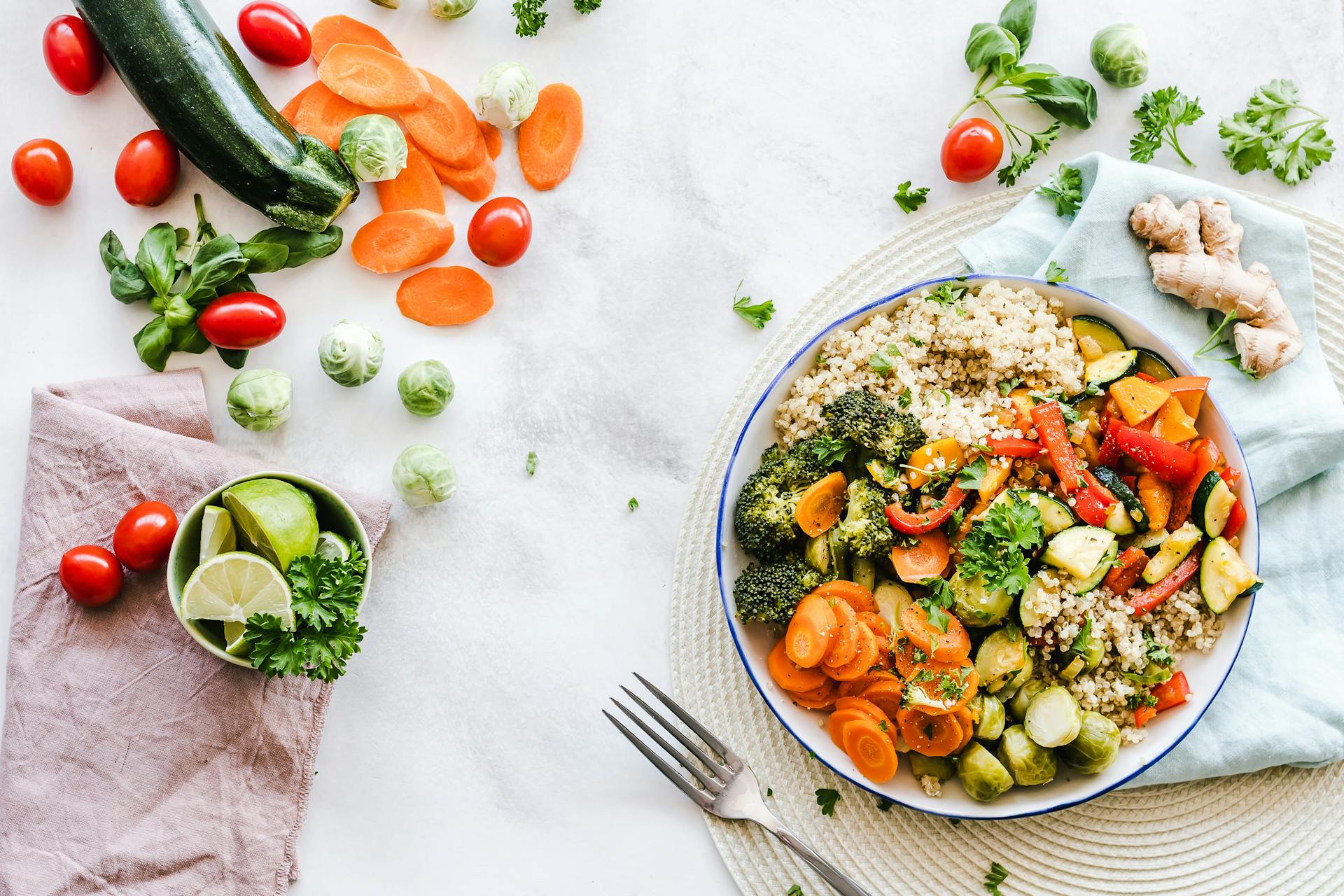
  • Produce: leafy greens, broccoli, cauliflower, green beans, peppers, tomatoes, zucchini, carrots, onions, berries, apples, oranges, kiwi, bananas
  • Healthy fats and flavor: extra‑virgin olive oil, avocado, nuts, seeds, natural nut butter, tahini, herbs/spices, salsa, mustard, vinegar, citrus

Foods and drinks to limit (and why)

  • Ultra‑processed snacks and sweets: easy to overeat, low in nutrients
  • Fried and greasy meals: can worsen nausea/reflux and add excess calories
  • Sugary drinks and juices: raise blood sugar without satisfying hunger
  • High‑fat, heavy dairy: choose lighter options if rich foods upset your stomach
  • Carbonated beverages: can increase bloating; many do better with still drinks
  • Alcohol: calories add up, may worsen nausea or trigger overeating; reintroduce cautiously once your dose is stable
  • Caffeine: tolerated by many, but if you feel jittery or nauseated, cut back and retry later with food

Phase‑based eating: make dose changes easier

During the first weeks or when your dose increases, your gut may be more sensitive.

  • Keep portions small (about 1 cup at a time) and chew thoroughly
  • Separate liquids from solids by ~30 minutes if you feel overly full
  • Favor lower‑fat, gentler foods: yogurt/skyr, eggs, oatmeal, soups, soft cooked veg, rice, bananas, toast, potatoes
  • Add ginger tea or ginger chews if you’re queasy
  • Limit large raw salads early on; choose cooked veggies and peel skins until symptoms settle

Side‑effect smarts

  • Nausea: small, frequent meals; bland, low‑fat foods; cool/room‑temp foods may feel better than hot. Avoid lying down within 2–3 hours after eating.
  • Constipation: increase fluids; gradually add fiber (oats, kiwi, prunes, chia or psyllium); walk daily. Ask your clinician about a gentle stool softener if needed.
  • Diarrhea: prioritize soluble fiber (oats, bananas, rice, applesauce, potatoes), reduce greasy foods, sip electrolytes.
  • Reflux/bloating: smaller meals, slow eating, avoid carbonation and very spicy foods, elevate the head of your bed.

A simple 7‑day starter meal plan

Portions depend on your needs; adjust up or down. Vegan swaps provided.

  • Day 1
    • Breakfast: Greek yogurt, berries, chia (use soy yogurt for vegan)
    • Lunch: Quinoa–chickpea salad with cucumbers, tomatoes, olive oil
    • Dinner: Baked salmon, roasted broccoli, small sweet potato (tofu for vegan)
    • Snack: Apple + 1 tbsp peanut butter
  • Day 2
    • Breakfast: Veggie omelet + whole‑grain toast (tofu scramble for vegan)
    • Lunch: Turkey lettuce wraps, brown rice, avocado
    • Dinner: Tofu stir‑fry, mixed vegetables, soba noodles
    • Snack: Cottage cheese + pineapple (soy skyr for vegan)
  • Day 3
    • Breakfast: Overnight oats with flax, cinnamon
    • Lunch: Lentil soup, side salad with lemon–olive oil
    • Dinner: Grilled chicken breast, farro, green beans (tempeh for vegan)
    • Snack: Carrots + hummus
  • Day 4
    • Breakfast: Smoothie (unsweetened soy milk, spinach, banana, protein powder)
    • Lunch: Tuna and white bean salad on arugula (chickpeas for vegan)
    • Dinner: Shrimp or tempeh tacos on corn tortillas, cabbage slaw, salsa
    • Snack: Pear + walnuts
  • Day 5
    • Breakfast: High‑protein oatmeal (stir in egg whites or vegan protein)
    • Lunch: Whole‑grain wrap with grilled veggies and tofu
    • Dinner: Turkey chili with kidney beans (three‑bean chili for vegan)
    • Snack: Steamed edamame
  • Day 6
    • Breakfast: Cottage cheese, peach, pumpkin seeds (soy yogurt for vegan)
    • Lunch: Baked potato topped with black beans, salsa, Greek yogurt (vegan yogurt)
    • Dinner: Baked cod, ratatouille, quinoa (white‑bean ratatouille for vegan)
    • Snack: 1 square dark chocolate + almonds
  • Day 7
    • Breakfast: Protein pancakes topped with berries (oat/protein mix for vegan)
    • Lunch: Sushi bowl: brown rice, salmon or tofu, cucumbers, edamame, sesame
    • Dinner: Slow‑cooker chicken thighs or jackfruit, cauliflower rice, sautéed kale
    • Snack: Kefir or soy‑cultured yogurt

Smart tweaks for different needs

  • Vegetarian/vegan: Center meals on tofu, tempeh, beans, lentils, edamame, seitan. Consider B12 and vitamin D supplementation; include calcium‑fortified milks and leafy greens.
  • Active or lifting weights: Keep protein toward the higher end (1.6 g/kg goal weight). Schedule protein within 1–2 hours of training.
  • Diabetes: Mounjaro can improve glycemia, but if you use insulin or sulfonylureas, discuss dose adjustments with your clinician to reduce hypoglycemia risk. Keep consistent, fiber‑rich carbs at meals and carry glucose tabs for lows.

Label‑reading shortcuts

  • Protein: 15–25 g per serving is a solid target for meals/snacks
  • Fiber: aim for 3+ g per serving; choose whole grains as first ingredient
  • Added sugar: keep most items under 5 g per serving
  • Sodium: prefer <300 mg per serving for everyday foods

Meal‑prep and grocery wins (in under an hour)

  • Roast a tray of mixed veggies and potatoes/sweet potatoes
  • Batch‑cook a grain (quinoa, brown rice) and a pot of beans or lentils
  • Grill or bake a sheet pan of chicken, tofu, or turkey meatballs
  • Mix a simple dressing (olive oil + lemon + Dijon) and chop salad greens
  • Pre‑portion snack packs: nuts, edamame, carrots + hummus, yogurt cups

Safety notes and when to call your clinician

  • Seek medical advice for persistent vomiting, signs of dehydration (dizziness, very dark urine), severe abdominal pain (especially if it radiates to the back), black/tarry stools, or repeated low blood sugars.
  • If you’re pregnant, trying to conceive, or breastfeeding, discuss the timing of Mounjaro and your nutrition plan with your healthcare provider.

The bottom line

There’s no one “right” Mounjaro diet. Keep it protein‑forward, plant‑heavy, and hydration‑smart. Start with small portions, adjust slowly, and choose foods that feel good in your body. Consistency—not perfection—drives long‑term results.

January 2, 2026

9 Best Apps for GLP‑1 Success: Track Doses, Food & Progress in 2025

9 Best Apps for GLP‑1 Success: Track Doses, Food & Progress in 2025

If you’re using a GLP‑1 medication like semaglutide (Wegovy) or tirzepatide (Mounjaro), the right app stack can turn good intentions into consistent habits. From injection reminders to nutrition, sleep, and side‑effect tracking, these tools help you see patterns, course‑correct sooner, and celebrate real progress.

Below are nine vetted apps (with alternatives) plus a simple weekly workflow to make them work together.

Why apps matter on GLP‑1 therapy

  • Structure beats willpower: Timely reminders and checklists reduce missed doses and skipped meals.
  • Trends over noise: GLP‑1s often cause day‑to‑day weight swings. Apps make it easier to focus on meaningful trends.
  • Side‑effect awareness: Logging nausea, constipation, and energy helps you and your clinician spot triggers and adjust.
  • Whole‑health wins: Sleep, steps, hydration, and protein often determine how great you feel, not just your calorie total.

How to choose the right apps

  • Privacy first: Look for clear privacy policies, local data export, and the option to delete your account/data.
  • Integrations: Apple Health or Google Fit syncs reduce duplicate logging.
  • Flexible reminders: Weekly dosing, refill alerts, and rescheduling should be quick and obvious.
  • Trend visualization: Weight smoothing, rolling averages, and weekly summaries prevent overreacting to daily blips.
  • Low friction: Voice logging, barcode scans, photo logging, and widgets keep tracking fast.

The 9 best apps for GLP‑1 success

1) Medisafe (iOS/Android) — Injection reminders that stick

  • Best for: Weekly GLP‑1 dosing, refill alerts, and simple adherence tracking.
  • Why it helps: Missed or mistimed doses can affect appetite control. Medisafe handles schedules, snooze options, and med lists in one place.
  • Pro tip: Use the Notes field to record injection site rotation (e.g., “Right abdomen”), any immediate side effects, and whether you dosed before bed or in the morning.

2) Cronometer (iOS/Android/Web) — Nutrition quality without guesswork

  • Best for: Detailed nutrition beyond calories—protein, fiber, micronutrients, and electrolytes.
  • Why it helps: GLP‑1s reduce appetite; hitting protein and fiber targets supports satiety and preserves lean mass.
  • Pro tip: Set custom targets for protein (about 1.2–1.6 g/kg body weight, as tolerated) and fiber (~25–35 g/day). Create saved meals for your go‑to options to speed up logging.

3) MacroFactor (iOS/Android) — Adaptive calorie budgets

  • Best for: A dynamic approach that adjusts your energy targets based on real‑world results.
  • Why it helps: Weight loss isn’t linear on GLP‑1s. MacroFactor’s weekly check‑ins estimate your current energy expenditure and adjust your targets, reducing stall frustration.
  • Pro tip: Log consistently for two weeks before expecting accurate adjustments. Pair with a smart scale to minimize manual input.

4) Bearable (iOS/Android) — Side‑effect and symptom tracking

  • Best for: Logging nausea, fullness, bowel movements, fatigue, mood, and triggers.
  • Why it helps: Patterns often emerge, e.g., larger evening meals may worsen reflux, or low‑hydration days may correlate with constipation.
  • Pro tip: Create custom sliders for “hunger,” “nausea,” and “bloating,” and tag potentially triggering foods (spicy, fried, dairy) to see correlations over time.

5) WaterMinder or Waterllama (iOS/Android) — Hydration made simple

  • Best for: Gentle prompts to sip throughout the day.
  • Why it helps: Adequate fluids can ease common GLP‑1 GI issues and support regularity.
  • Pro tip: Set smaller, more frequent reminders instead of big, infrequent prompts. Add low‑sugar electrolyte options if you sweat heavily; ask your clinician for personalized guidance if you’re managing blood pressure or kidney disease.

6) Apple Health (iOS) or Google Fit (Android) — Your data hub

  • Best for: Aggregating steps, weight, sleep, heart rate, and workouts from different devices/apps.
  • Why it helps: One dashboard reduces app fatigue and lets you see whole‑health trends.
  • Pro tip: Connect your nutrition app, smart scale, and wearables so weight and activity sync automatically. Review weekly trends every Sunday.

7) Withings Health Mate (iOS/Android) — Smart scale sync and trends

  • Best for: Seamless, automatic weigh‑ins with trend lines; some models estimate body composition.
  • Why it helps: Frequent but frictionless weigh‑ins allow better averaging and less fixation on single numbers.
  • Pro tips:
    • Weigh at the same time daily (e.g., after waking, before breakfast) and let the app handle the trend.
    • iOS alternative for smoothing: Happy Scale. Android alternative: Libra.

8) Sleep Cycle (iOS/Android) — Protect your hunger hormones

  • Best for: Gentle sleep tracking and smart alarms without a wearable.
  • Why it helps: Short or poor‑quality sleep is linked with increased appetite and cravings. Better sleep supports healthier choices.
  • Pro tip: Tag late meals, alcohol, or screen time to see what disrupts your nights. If you wear a watch, AutoSleep (iOS) or a fitness tracker’s native app works well.

9) AteMate Food Diary (iOS/Android) — Mindful eating in photos

  • Best for: Visual, low‑effort food logging without chasing perfect numbers.
  • Why it helps: GLP‑1s encourage smaller portions. Quick photo logs keep you accountable and highlight portion creep, especially on weekends or social days.
  • Pro tip: Snap a photo before you eat, then add a note on fullness (e.g., “7/10”). Review the week’s photos to spot patterns like skipping protein at lunch.

Common mistakes to avoid

  • Chasing perfect data: You don’t need to log every crumb. Prioritize protein, fiber, and total calories.
  • Relying on AI photo logging alone: It’s convenient, but portion estimates can be off. Verify a few typical meals with a kitchen scale early on.
  • Judging progress by a single weigh‑in: Look at weekly averages and monthly photos/measurements.
  • Ignoring hydration and fiber: These are key for GI comfort on GLP‑1s. Increase gradually and talk to your clinician if symptoms persist.
  • Over‑sharing data: Check app permissions and opt out of third‑party sharing when possible.

Safety and privacy notes

  • Medical guidance: Apps can’t replace professional advice. Contact your clinician for persistent vomiting, severe abdominal pain, signs of dehydration, or if you’re unsure how to handle a missed dose.
  • “Medication level” graphs: Some tools estimate how a weekly dose “feels” over time, but pharmacokinetics vary widely among individuals. Treat such charts as rough approximations, not clinical guidance.
  • Data protection: Use strong passwords, enable two‑factor authentication when available, and periodically export/delete data you no longer need.

The bottom line

GLP‑1s help by reducing appetite and slowing digestion, but your daily habits still drive long‑term success. Build a simple, sustainable system:

  • One app to remember injections
  • One to log nutrition (quality first, then calories)
  • One to track side effects and hydration
  • One to capture sleep and movement trends

Start with the apps you’ll actually open. Keep the workflow light, review your trends weekly, and let steady, small wins compound. That’s how you turn GLP‑1 therapy into durable results.

Apps Are a Helpful Companion, Not a Replacement for Clinical Support

Tracking apps can be brilliant for building consistent habits around dosing, food logging, and monitoring how your body responds to treatment week by week. However, they work best when used alongside proper clinical oversight rather than instead of it, especially when it comes to interpreting side effects, adjusting doses, or deciding when it’s time to move up a strength.

At Metabolic Slim Clinic, every patient on a GLP-1 treatment plan has direct access to our clinical team throughout their journey, so you’re never relying on an app alone to make important decisions about your health. Whichever tracking tool you choose from this list, we’d encourage you to bring your data along to check-ins, as it gives our prescribers a clearer picture of your progress and helps inform any adjustments to your treatment plan.

Search for products (0)

Back to Top
Product has been added to your cart